
Scroll down
01
Overview
Heirloom is a social cooking platform built on human connection through food. Its aim is to preserve family recipes and the memories behind them, while welcoming cooks of all levels into a calm, clean, and warm cooking experience.
Inspired by this video, by Answer in Progress.
Team
Solo project
My role
UX/UI Designer
Tools used
Figma, FigJam, Forms, ChatGPT
Project duration
~4 months
02
Context & the Problem
Our current reality.
Recipes mean less than they used to, the younger generation is feeling less connected to their families' recipes.
And even thought that's not anyone's fault, doesn't mean I can't try to change it.
Recipes are too scattered
Too many places to find recipes in, which can be good, but also intimidating
Online recipes lack warmth
Recipes viewed online can be almost sterile of human warmth and meaning
Dry social platforms
Few opportunities for real connection online, while in person, food is that people
How might we create a calm, heartfelt space that brings back emotional connection, simplicity, and personal storytelling to cooking?
03
Research
I started with a simple survey, really wanting to see if others felt the same way as I did.
The survey was targeted at three age groups (15-30, 31-45, 46-65) with some interest in food or familial bonds.
01
Emotional connection through food?
49%
reports strong connection (4-5)
29%
moderate connection (3)
22%
low connection (1-2)
Generally high connection, but…
Ages 15-30 were 58% of the 1-3 range.
A connection exists, but it's disappearing with the younger generations
02
Openness to a recipe sharing platform?
45%
were interested (5)
37%
where open to it (4)
18%
low to neutral opinion (1-3)
A comfortable positive interest
Ages 31-45 were 66% of the 3-5 range.
Despite age group 31-45 leading, the other age groups were mixed but close behind
03
Distance due to dietary restrictions?
36%
report high distance (4-5)
26%
moderate distance (3)
38%
low to no distance (1-2)
Though evenly spaced, it's still a big chunk being alienated.
Ages 15-30 were 49% of the 4-5 range
Dietary needs are a part of the reason for the detach from traditional recipes.
User personas

Ana
27 years old
Food-loving homesick
Show persona
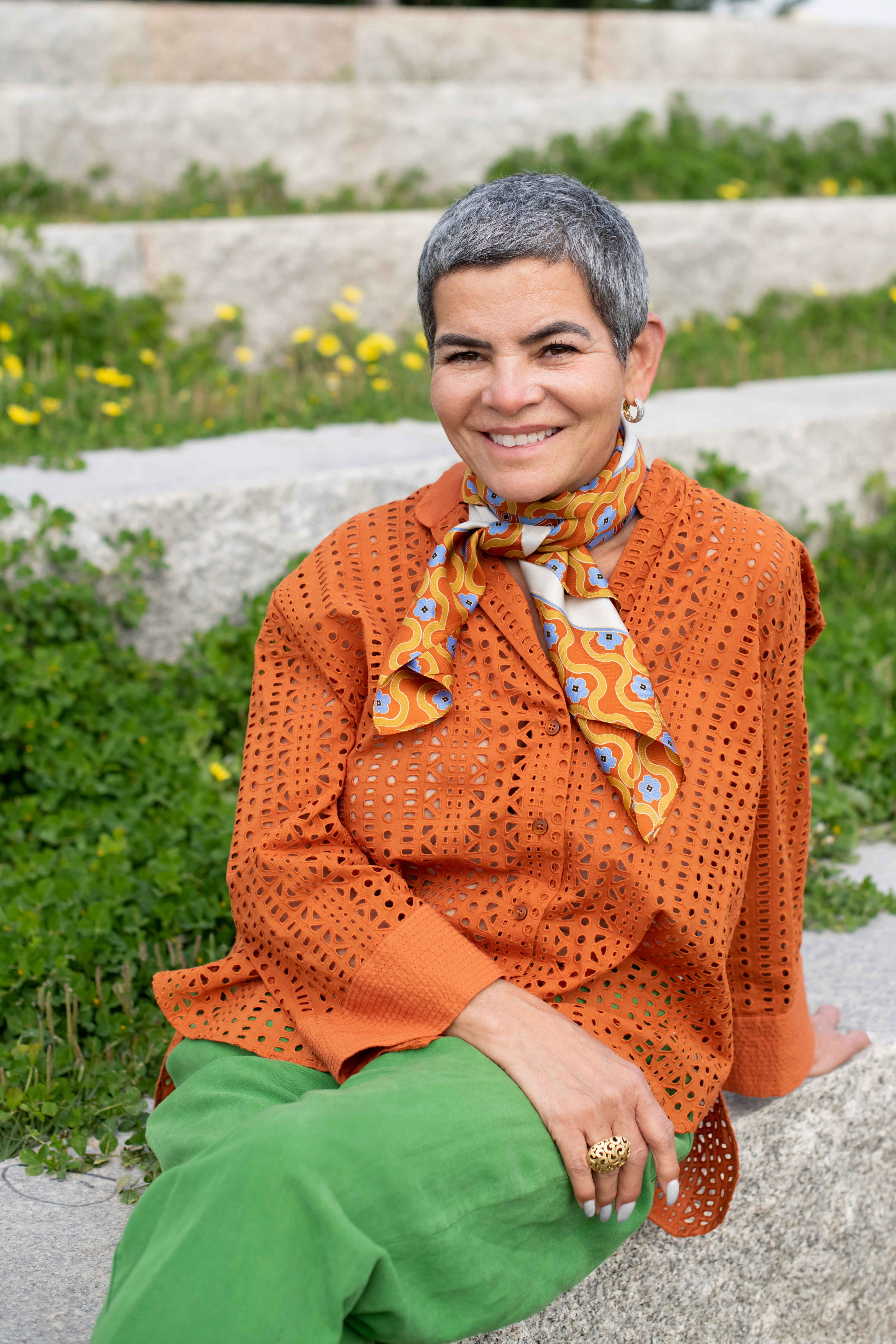
Fatima
62 years old
Retired matron cook
Show persona

Leo
34 years old
Celiac food ethusiast
Show persona
Competitive Benchmarking
To better understand industry standards and opportunities, I analyzed three leading recipe apps: Tasty, Cookpad, and NYT Cooking. The goal was to identify strengths to emulate, weaknesses to avoid, and gaps where my concept—focused on cultural storytelling, community, and AI adaptation—can differentiate itself.
Tasty
BuzzFeed’s fun, video-based cooking app offering personalized recipes and an AI sous-chef experience.
Key takeaways
UX and AI inspiration, but needs deeper storytelling.
Cookpad
A global community where home cooks share personal recipes, focusing on everyday meals and collaboration.
Key takeaways
Social strength, needs better curation.
NYT Cooking
New York Times' premium recipe library with curated editorial content, meal planning tools, and advanced search.
Key takeaways
Storytelling strength, needs stronger community.
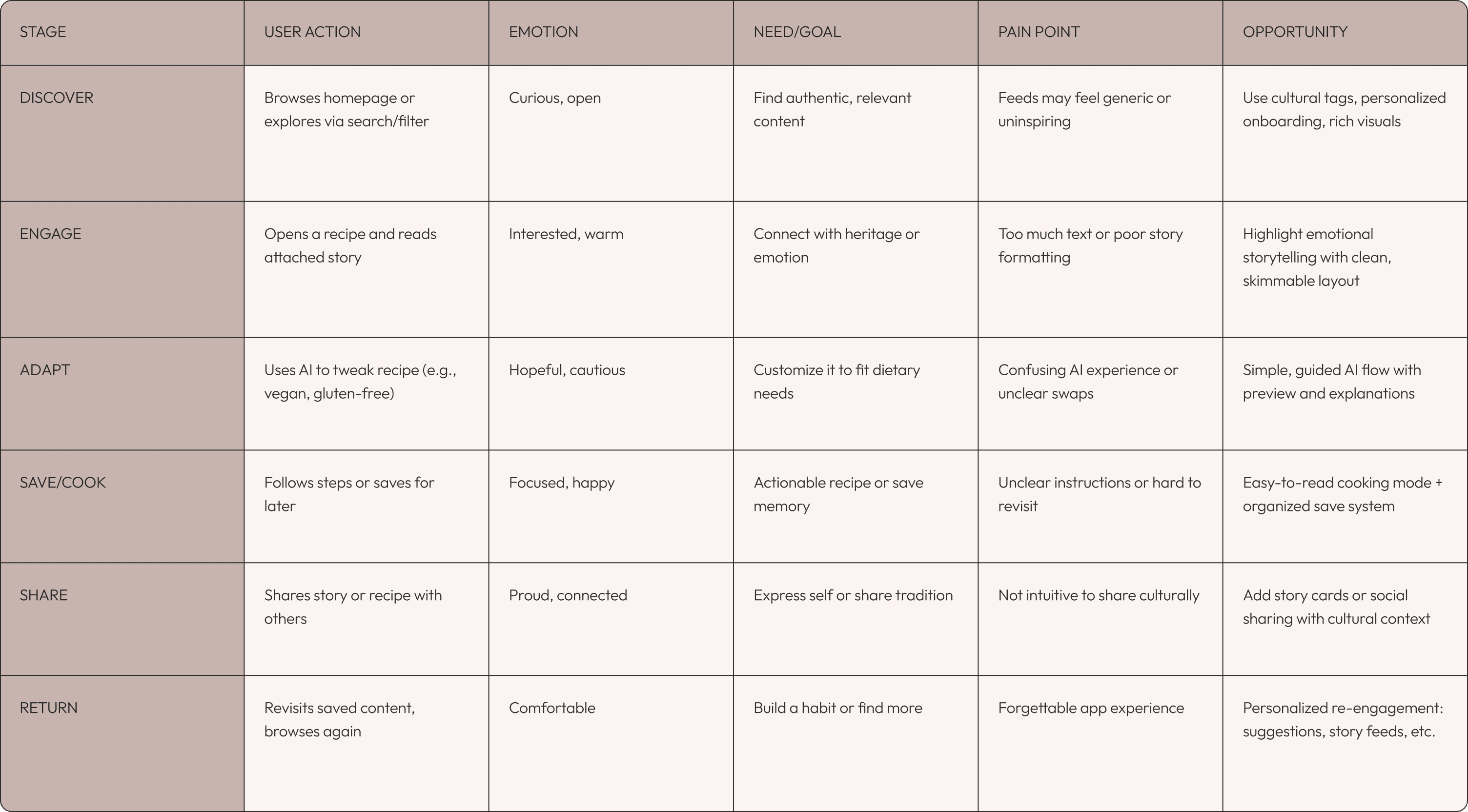
Use cases
04
Strategy & early exploration
Feature prioritisation
Design principles
Cozy
From the first visions of the Heirloom brand, a warm and welcoming environment was a consistent purpose.
Structured
The core experience for Heirloom is to serve as a library of recipes, its social aspect is secondary.
With the goal of despite it all, to offer a clean, informative interface.
Authentic
The AI sous chef needed to be a complimentary utility, and not the focus of the soul put into the recipes.
Wireframes
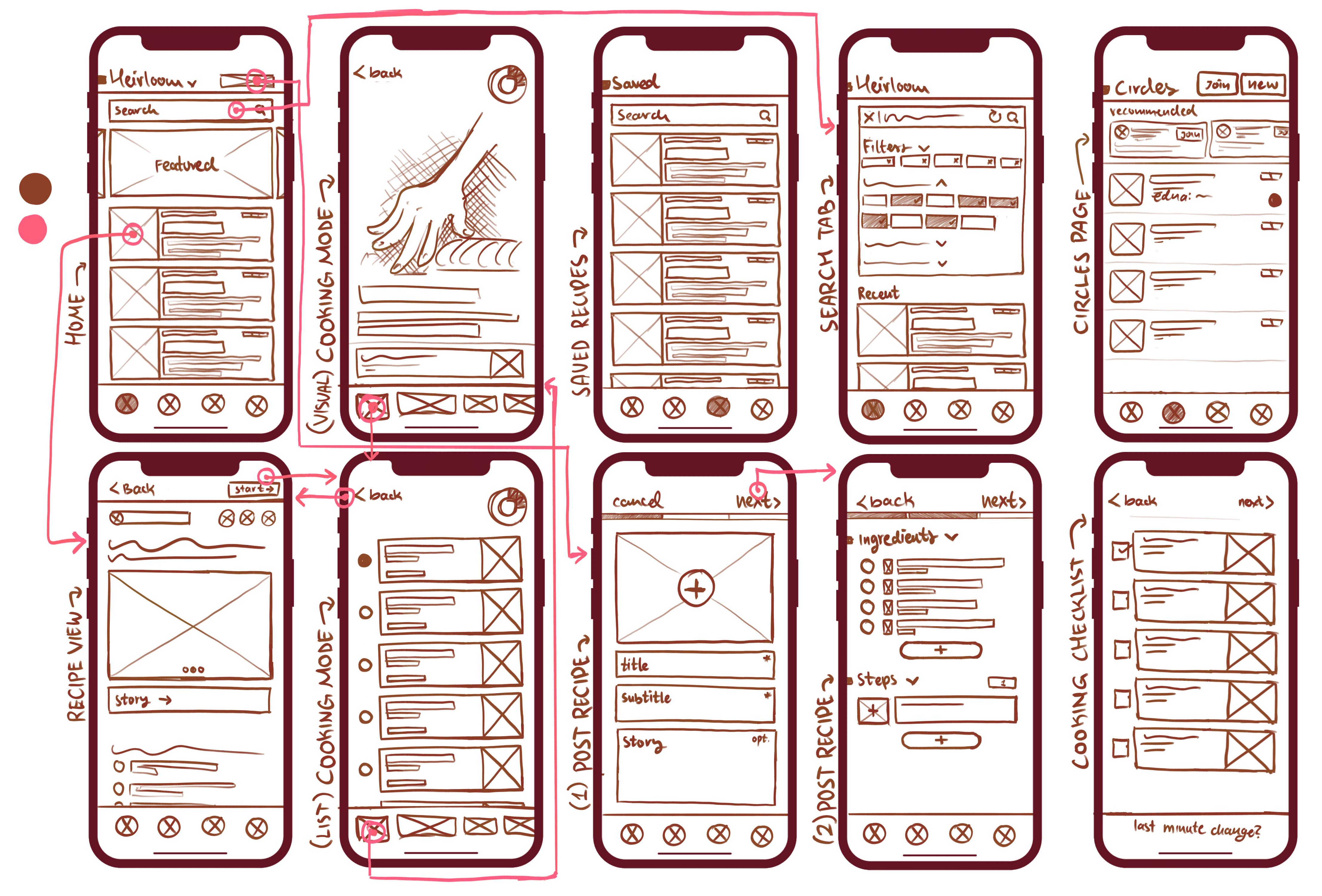
The wireframes were done by hand digitally after the initial problem research stage and impressions of competition apps.
Financial future thinking
It was important to me to leave key features permanently available, the inability to pay should never be in the way of enjoying Heirloom, instead:
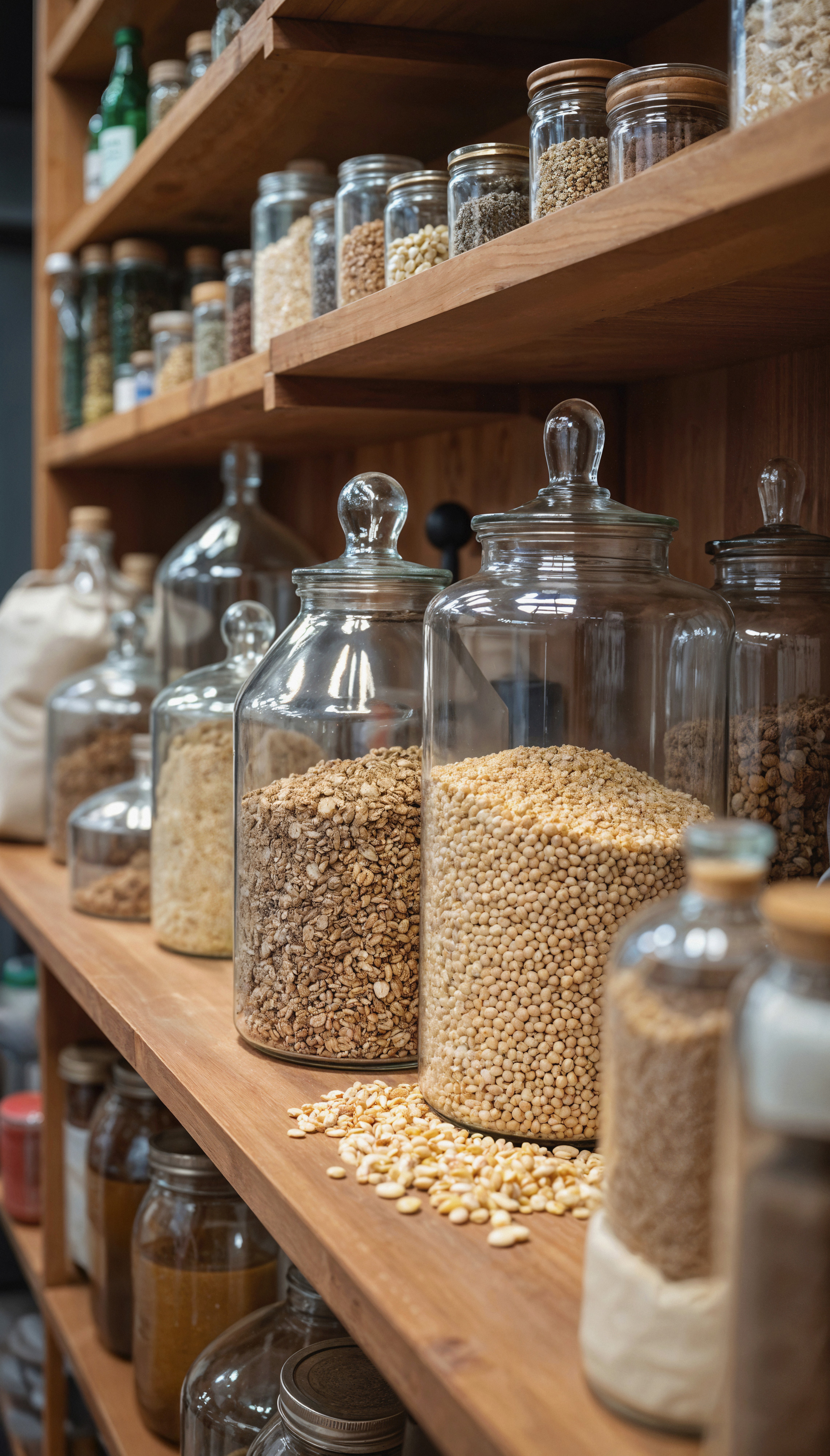
Brand collabs
Heirloom partners with aligned food brands to sponsor seasonal challenges, inviting users to cook with selected products for curated rewards. Sponsorship revenue supports the platform while core access remains free.
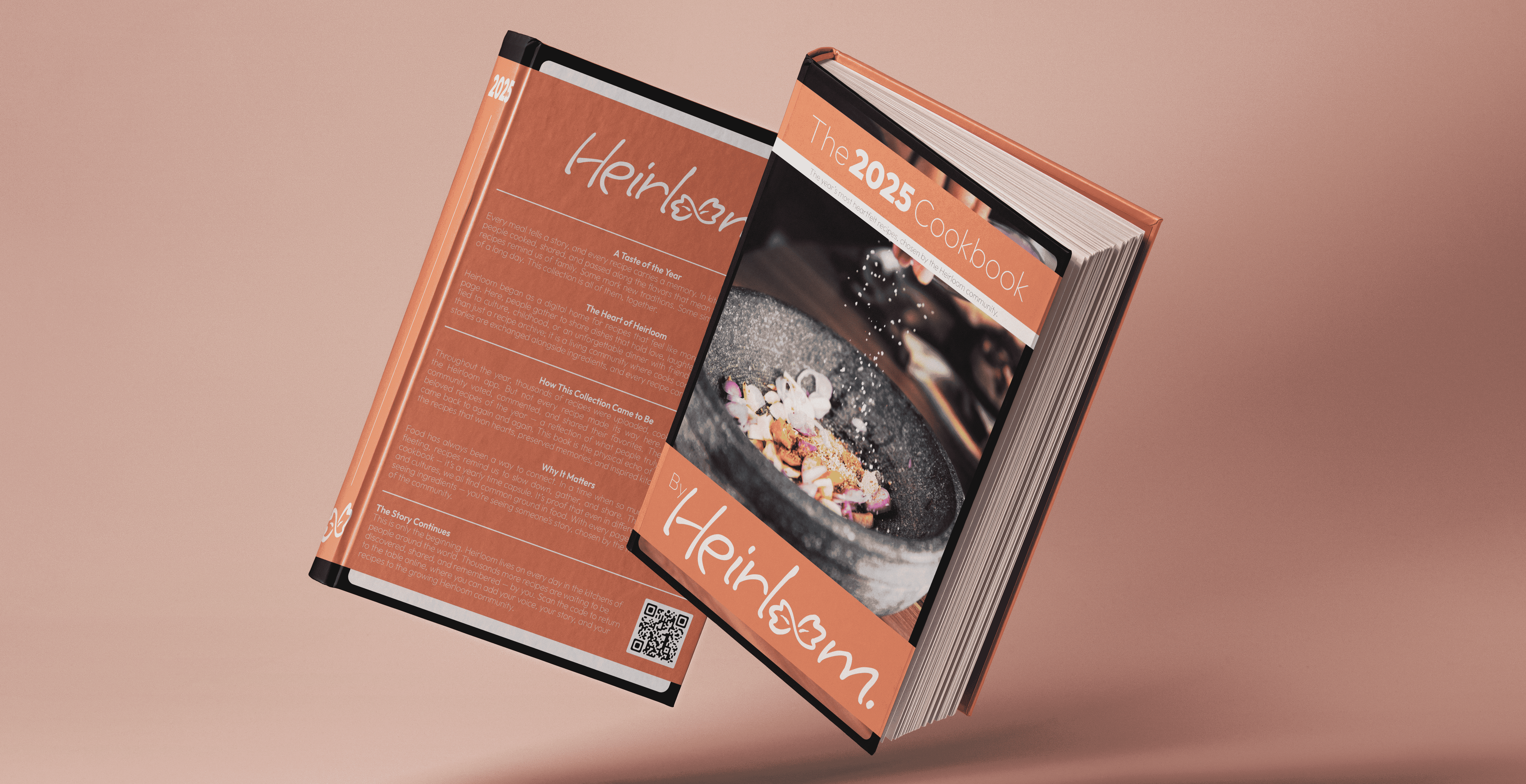
Recipe book prints
Each year, the top 100 community recipes are curated into a thoughtfully designed physical cookbook. Sales generate revenue while celebrating the stories and flavors that shaped the year.
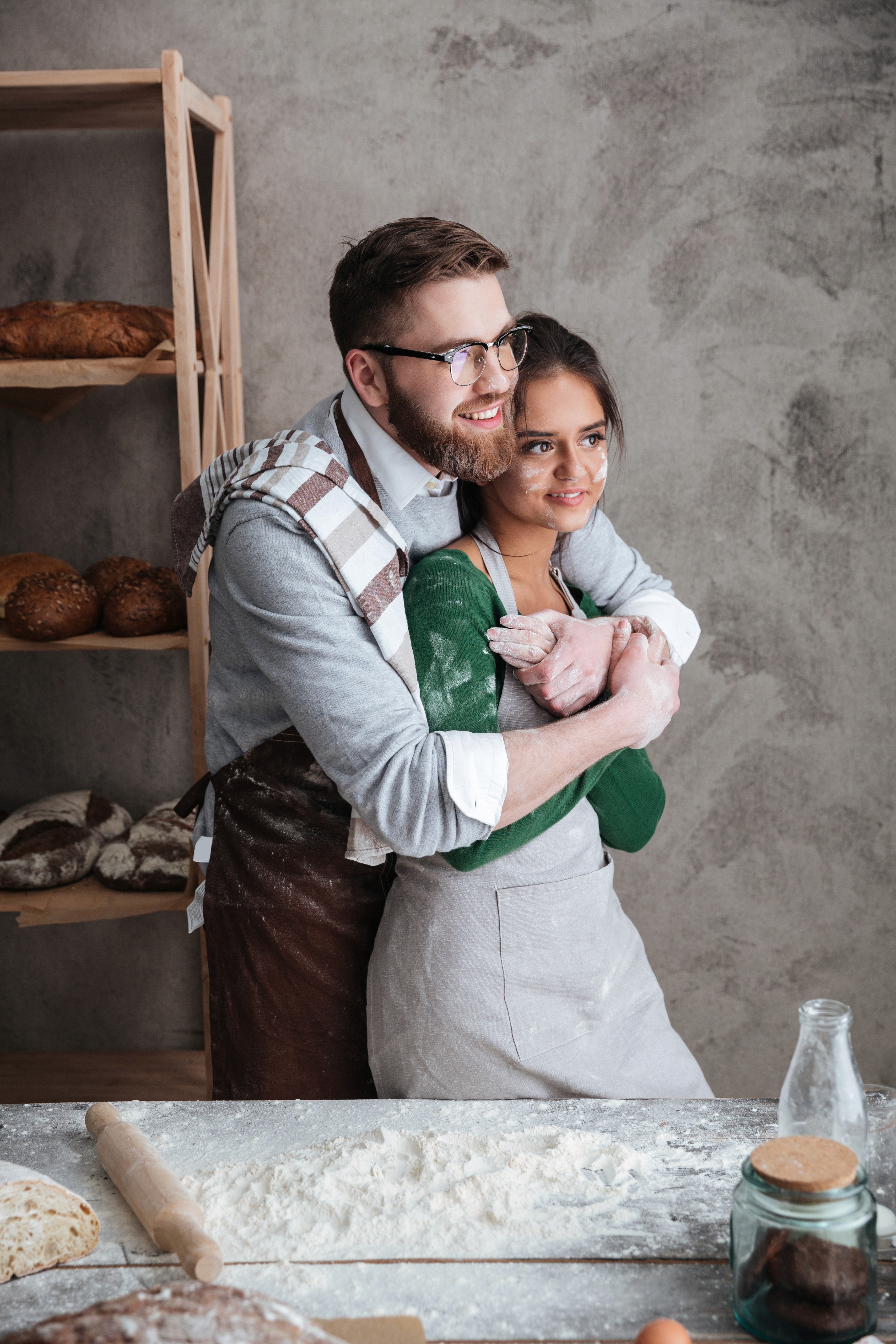
Creator support system
Users can optionally support their favorite creators through monthly contributions. A small platform commission sustains growth while strengthening a community-driven ecosystem.

05
User testing
Hands-on testing
I dragged two friends of mine to explore the prototype, without any prior knowledge other than superficial info on the app's purpose.
Friend 1
Baking enjoyer,
The bad
Found the navigation restricting
Wanted more guidance while cooking
Didn't like how you rate recipes
The good
Thought the UI was clear
Enjoyed the filters
Liked that the recipe story isn't forced
Friend 2
Direct instructions enjoyer
The bad
Found the live cooking process annoying
Got a little overwhelmed by information
The good
Liked the recipe adaptation option
Enjoyed the simple colour scheme
The collected feedback is a collection of the on-hands testing inspection and following interviews.
Visual usability testing
Testing done with Attention Insight's visual usability checker.
I was pleasantly surprised with the scores the screens got, with generally good results. But they also gave me background on what needs more work. The general conclusion was to go over how I present the visual hierarchy of items, big focuses were spacing, content chunking and colour.
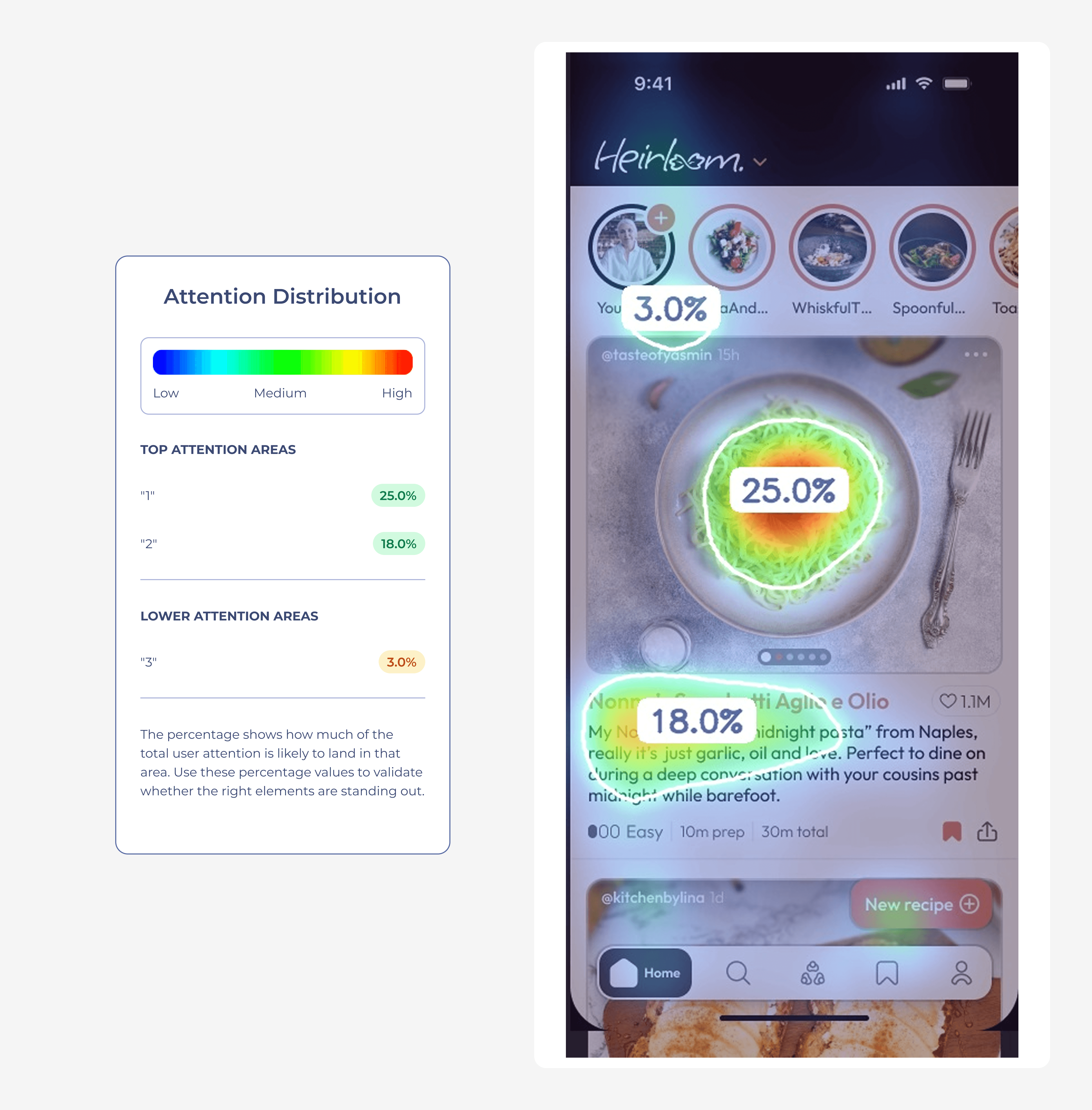
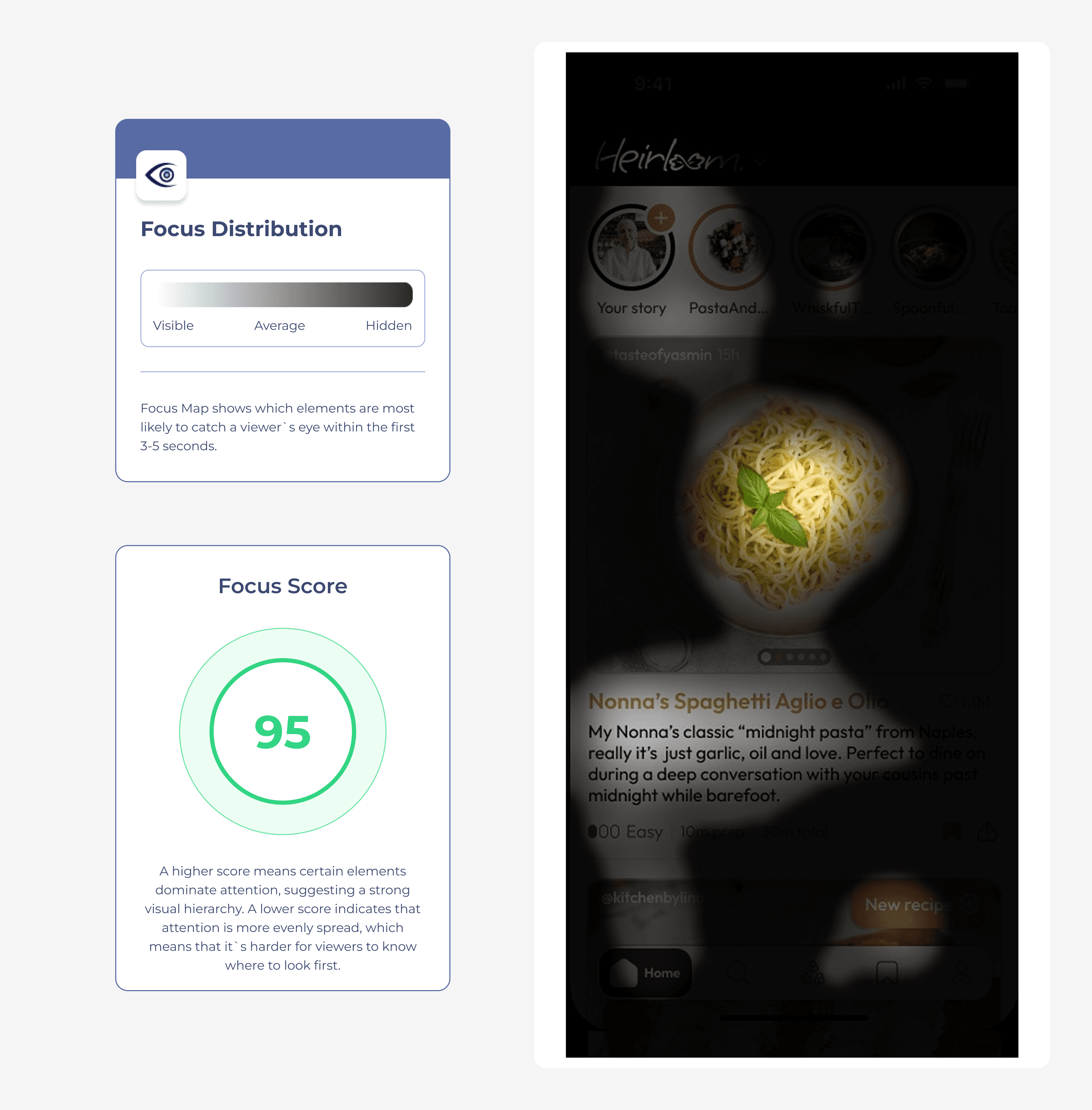
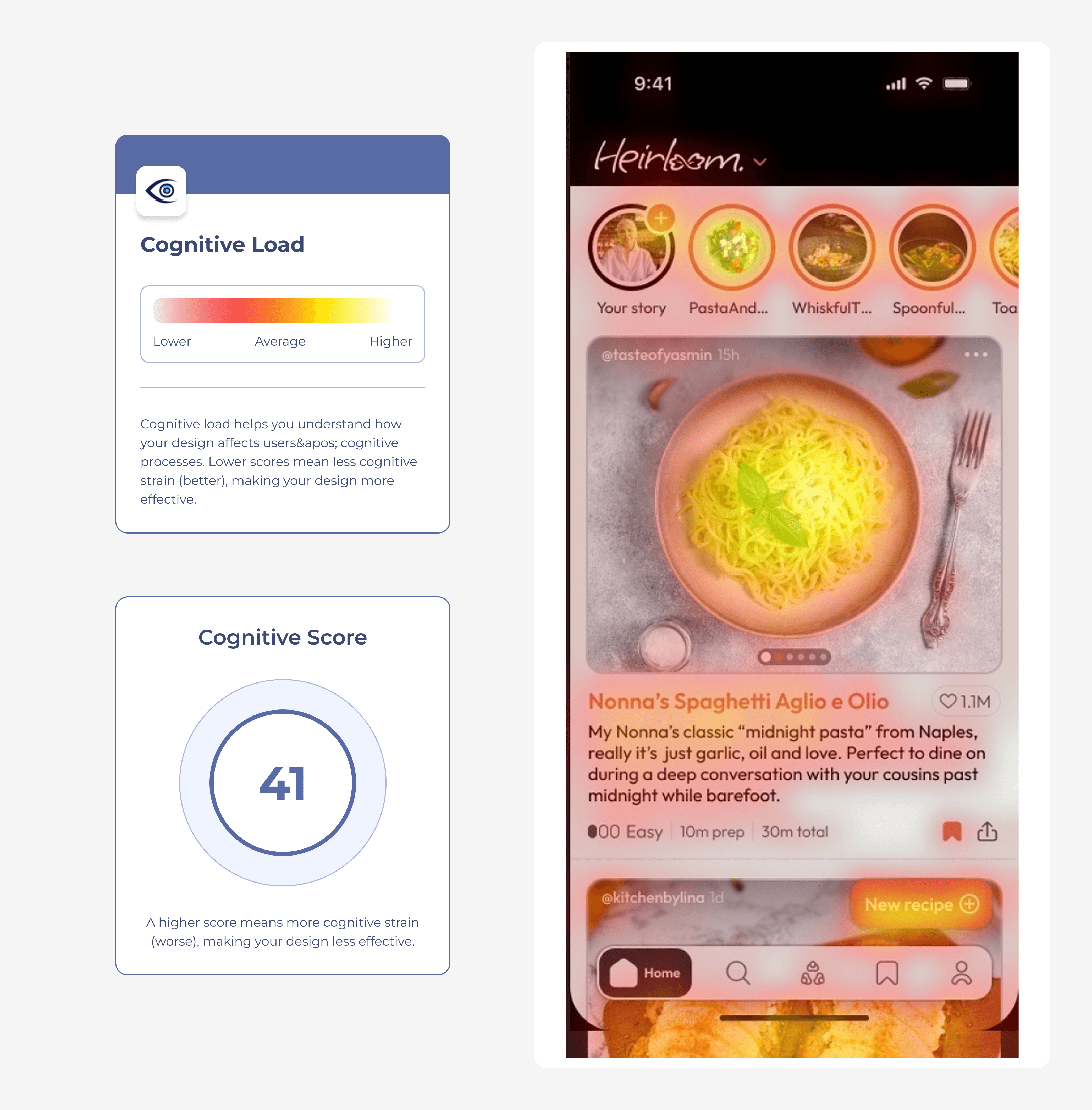
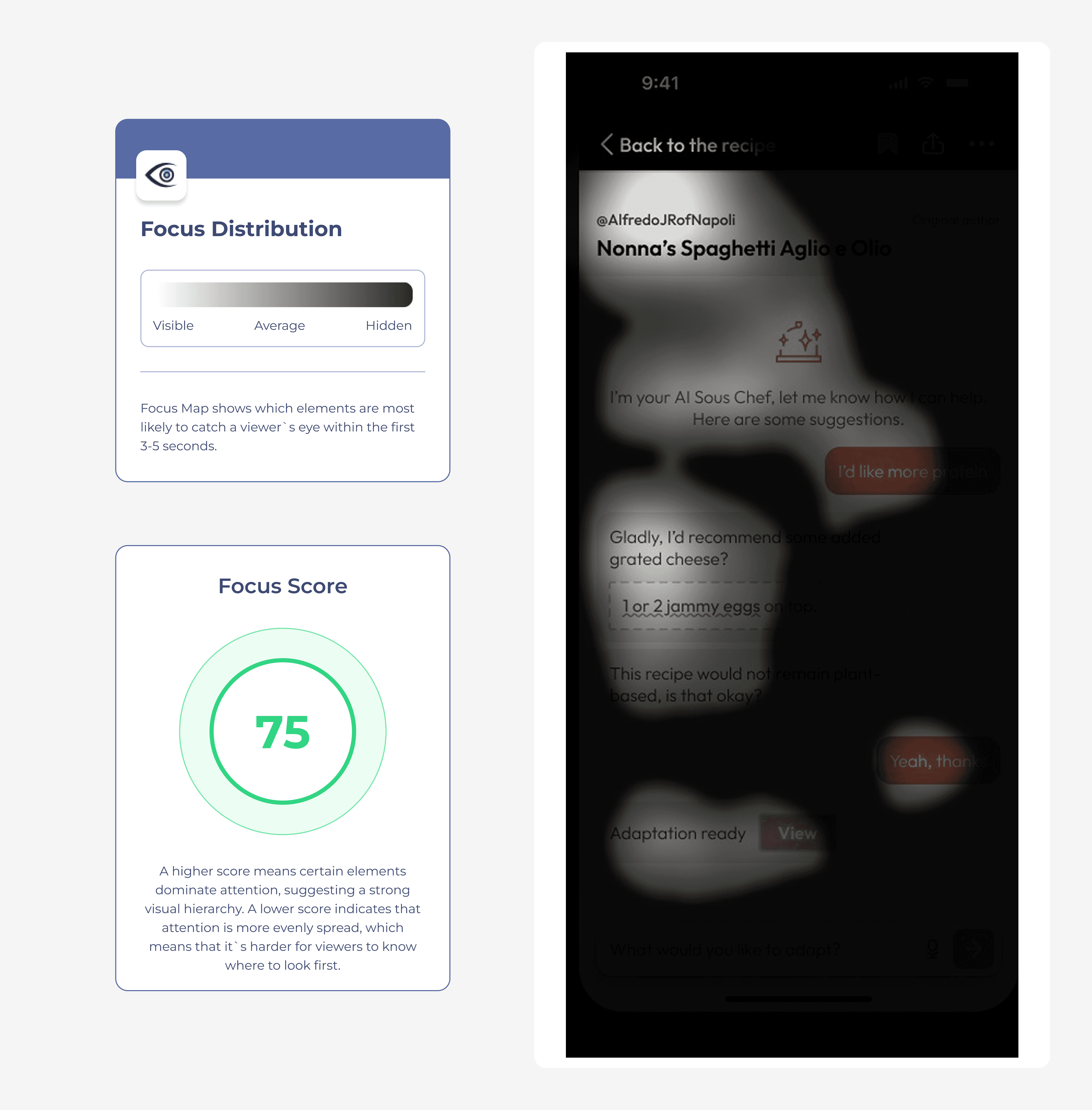
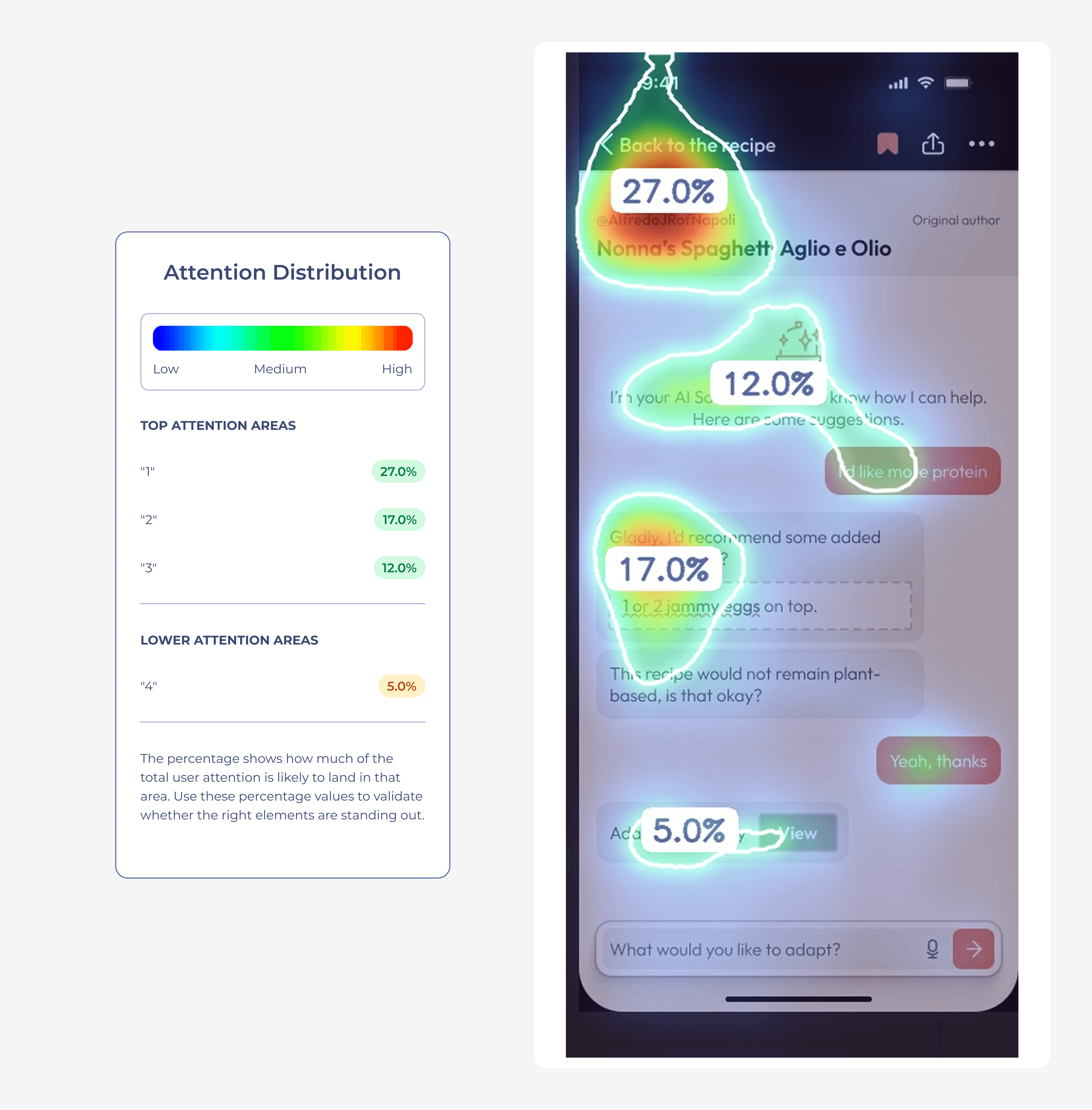
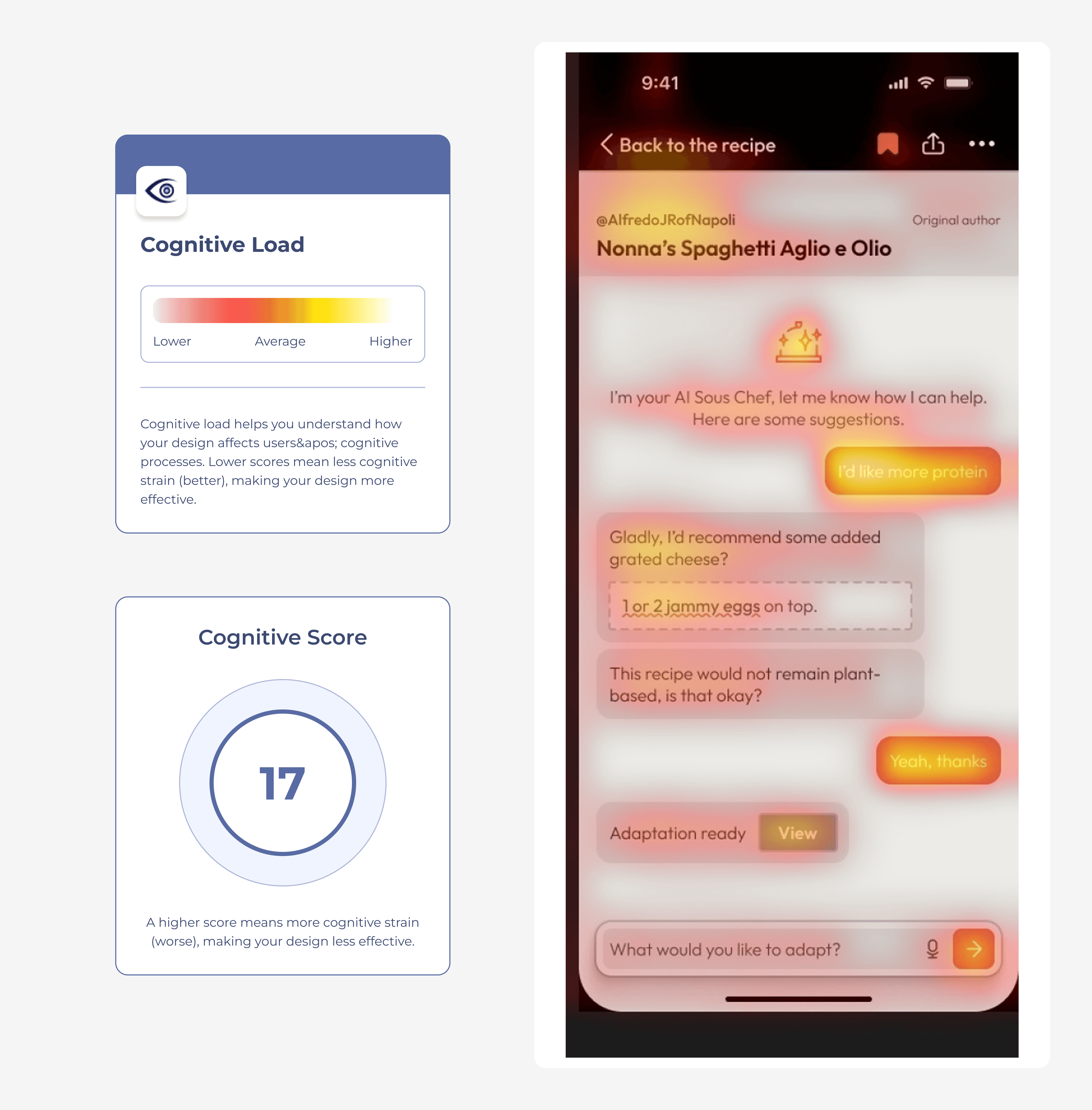
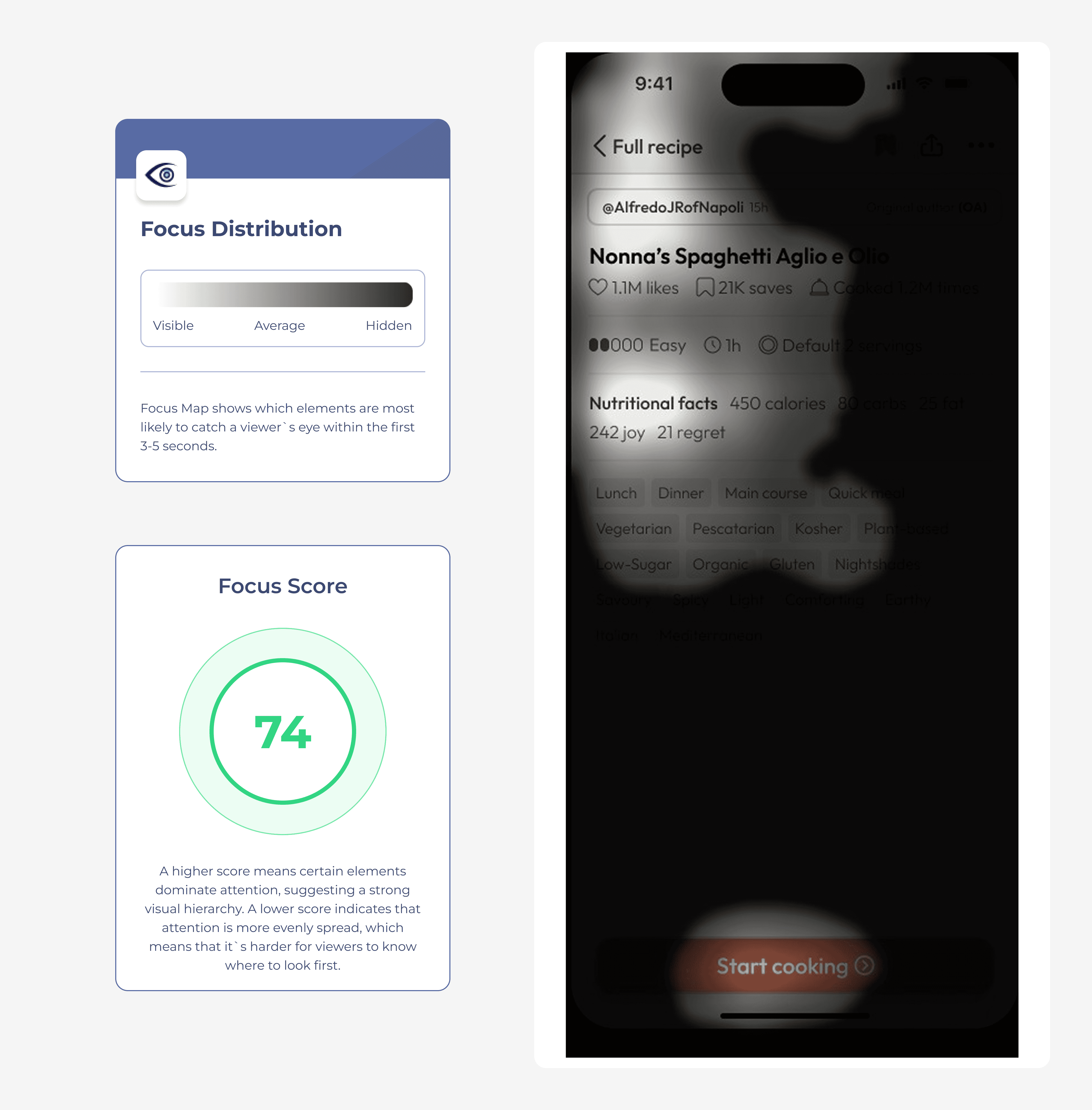
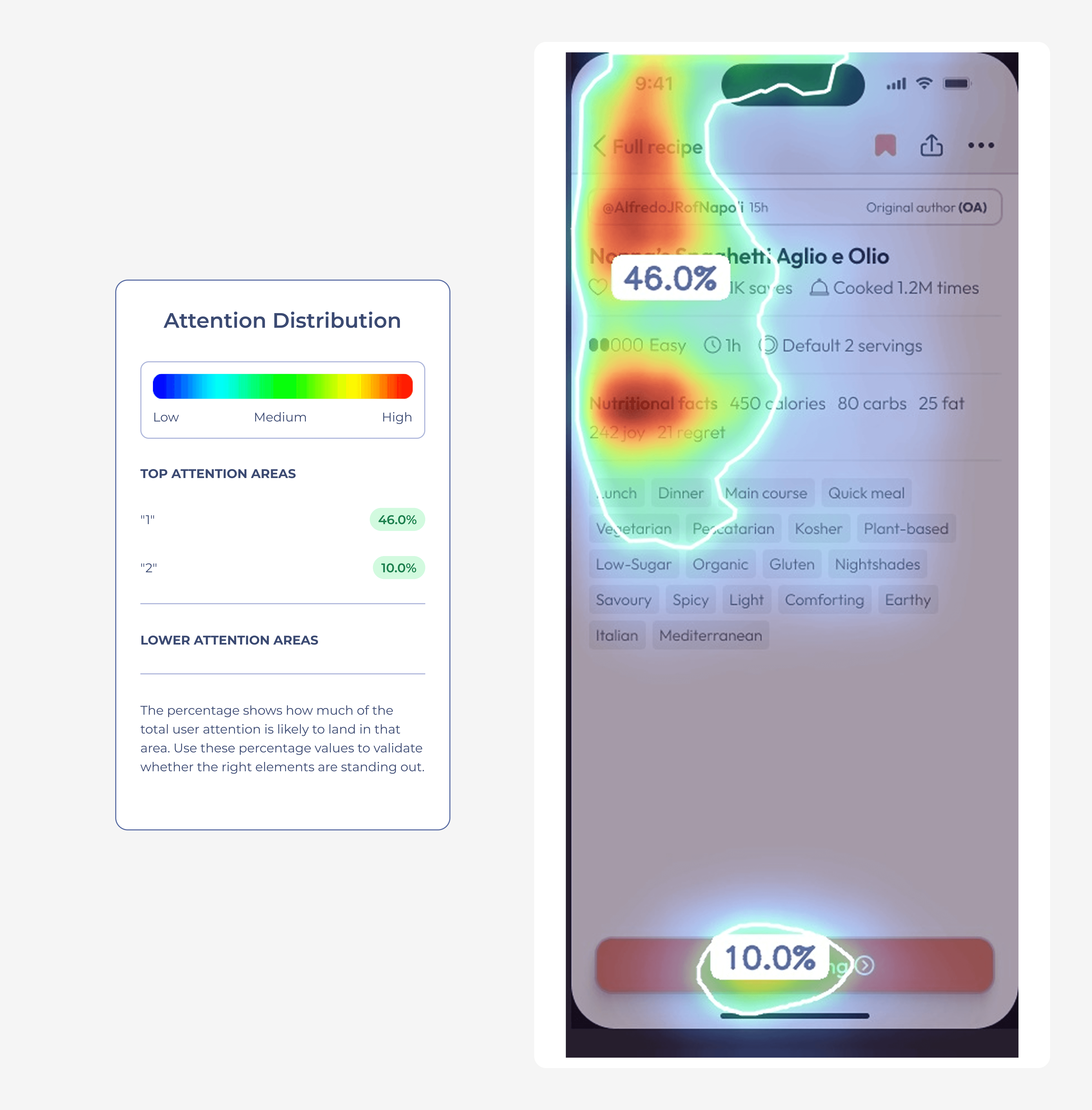
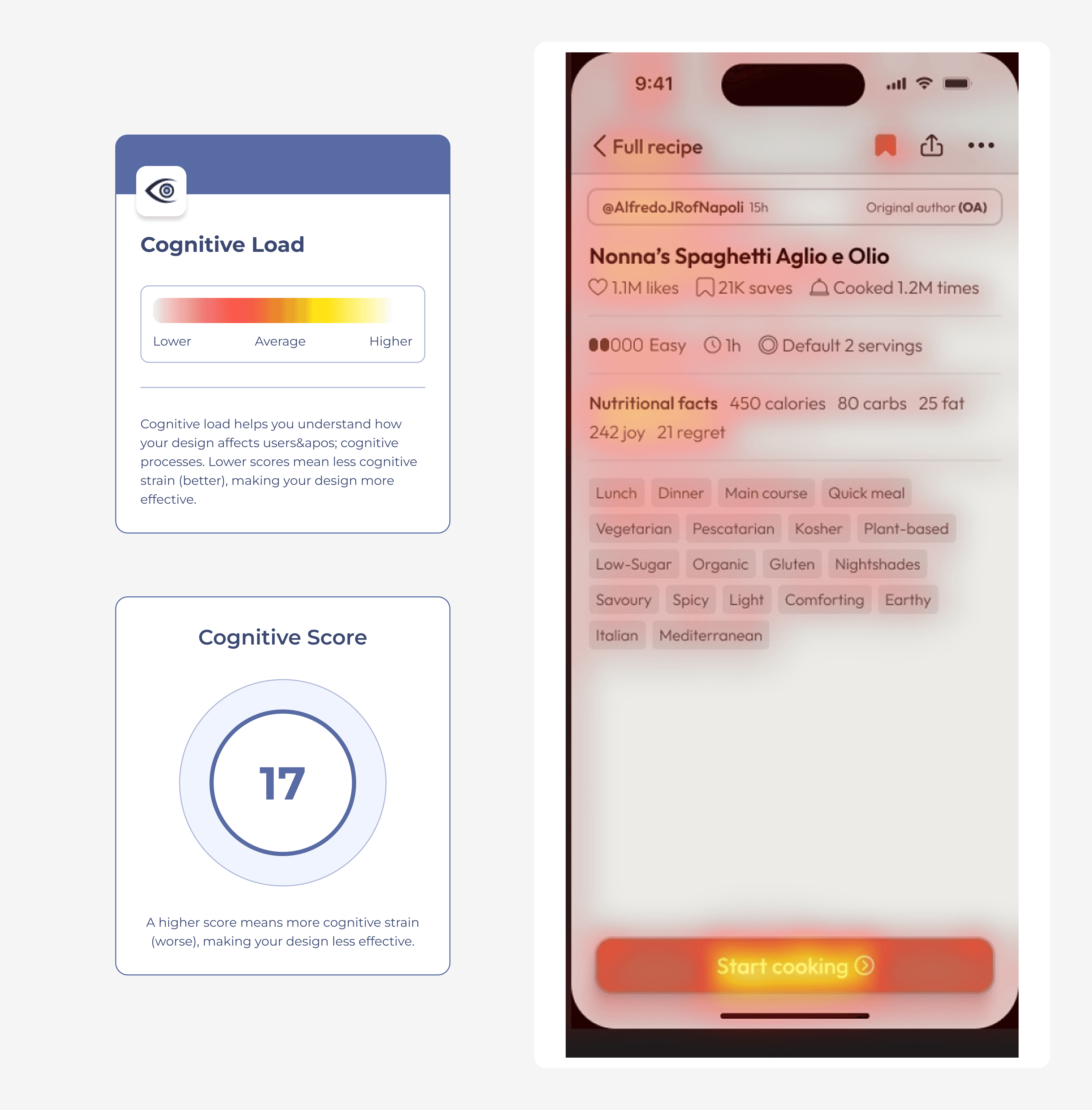
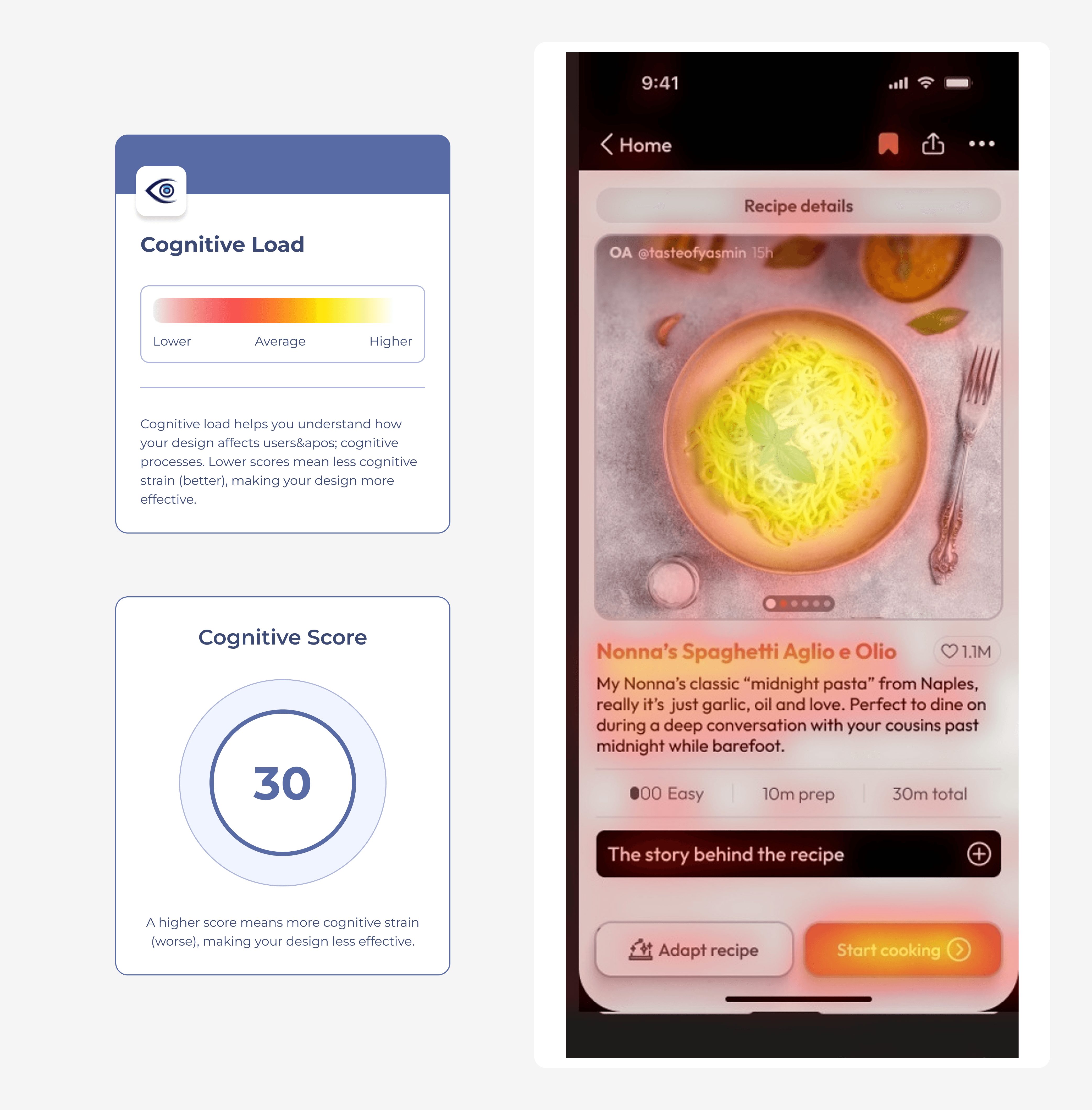
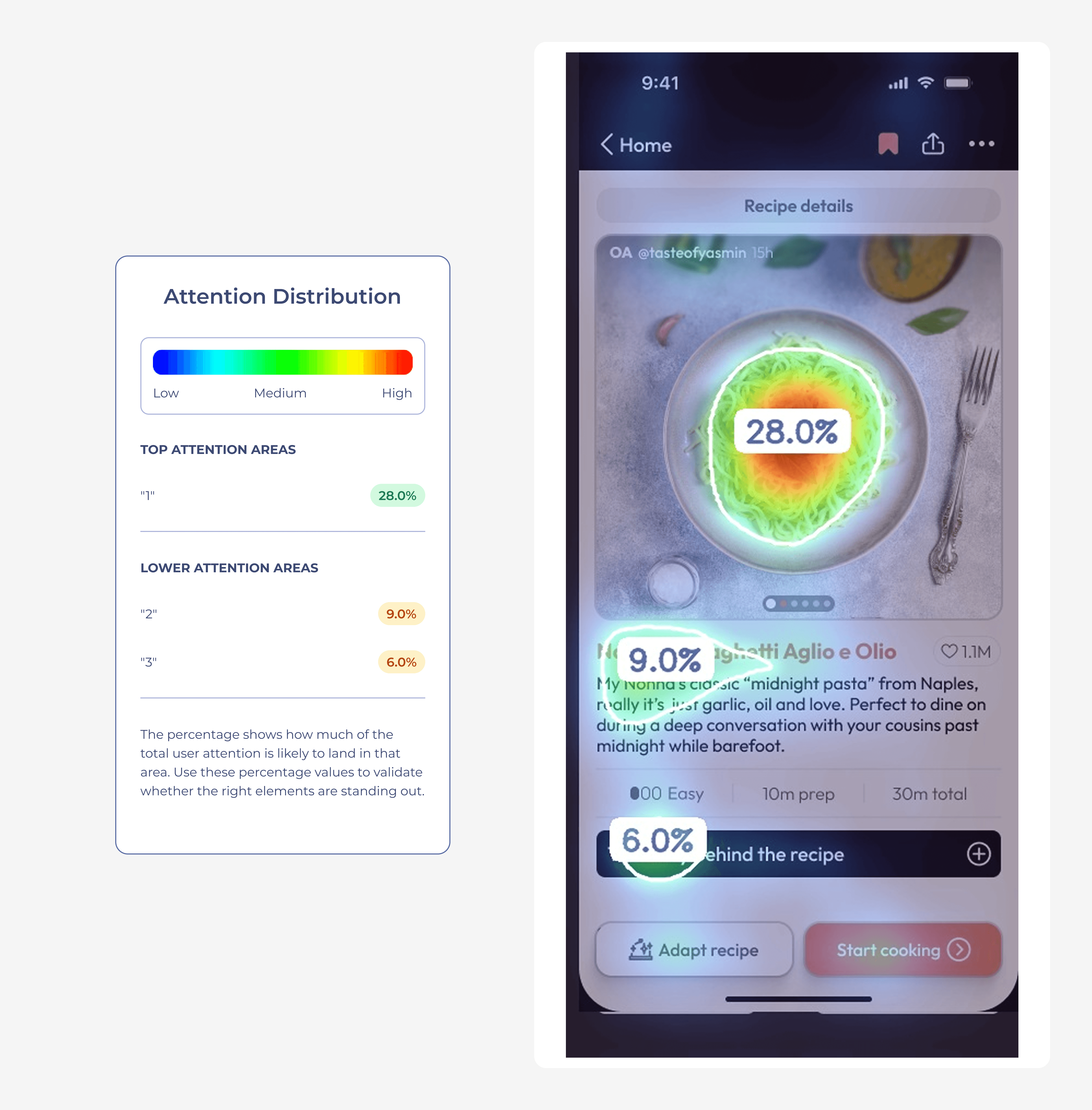
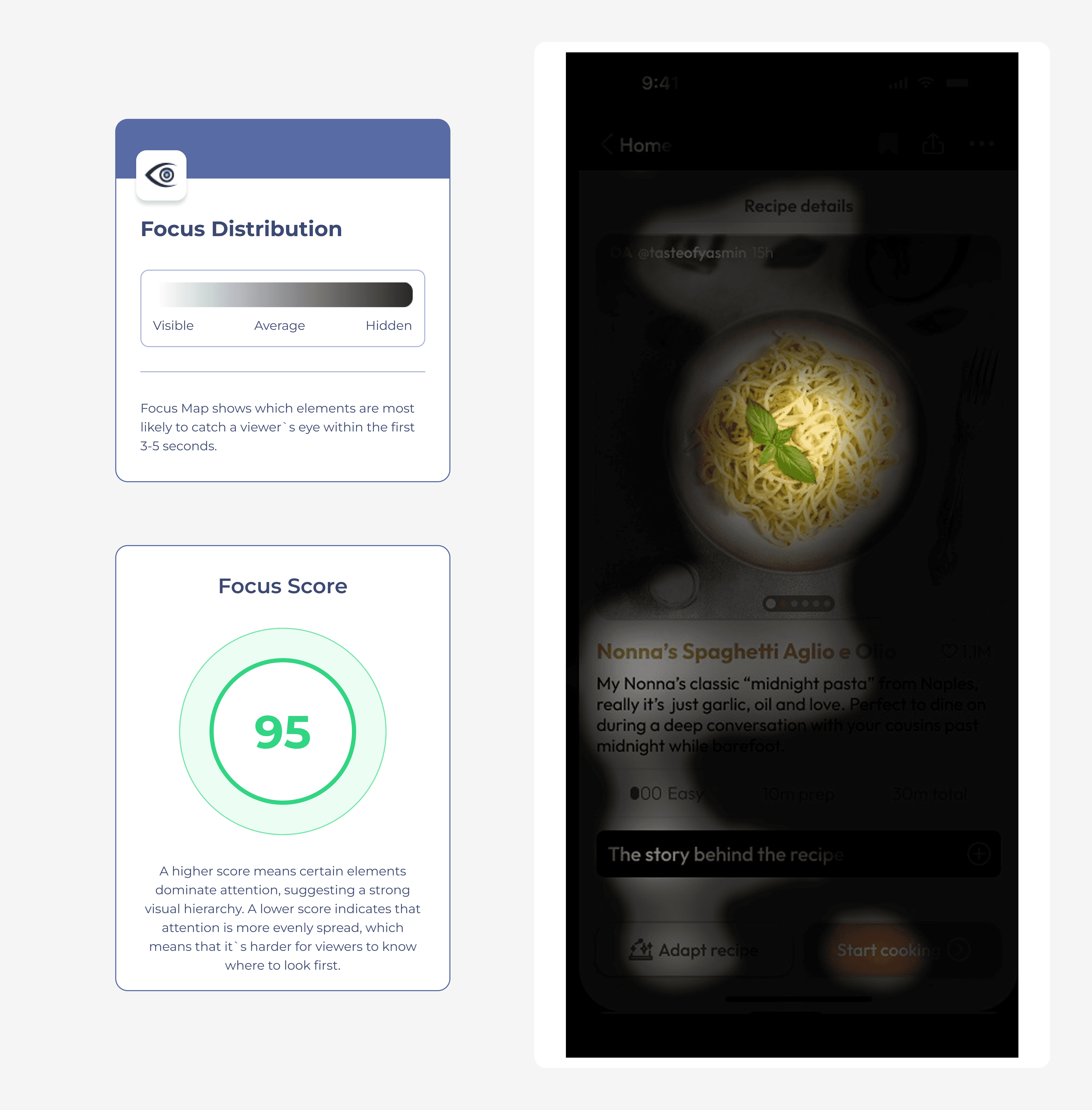
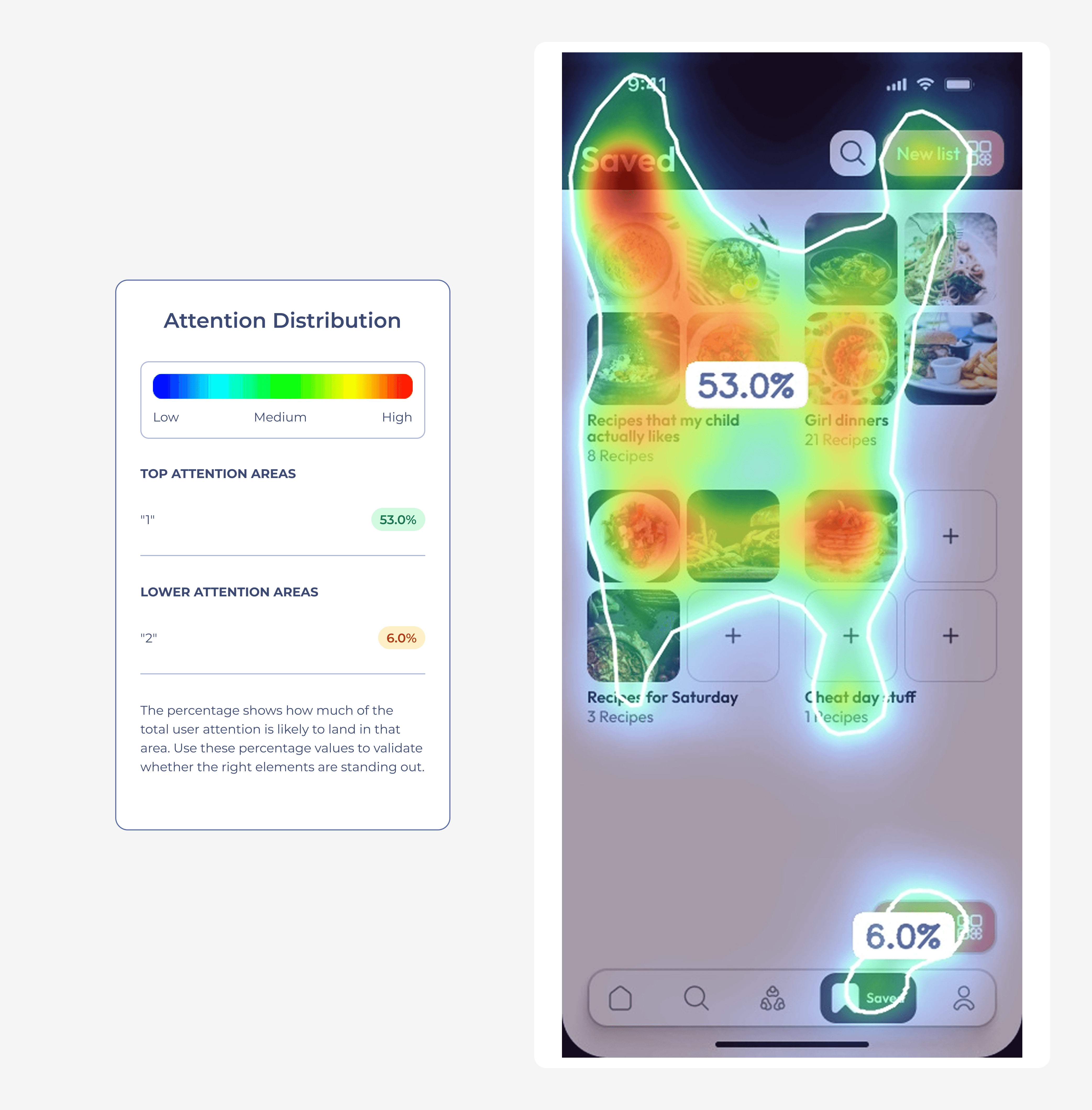
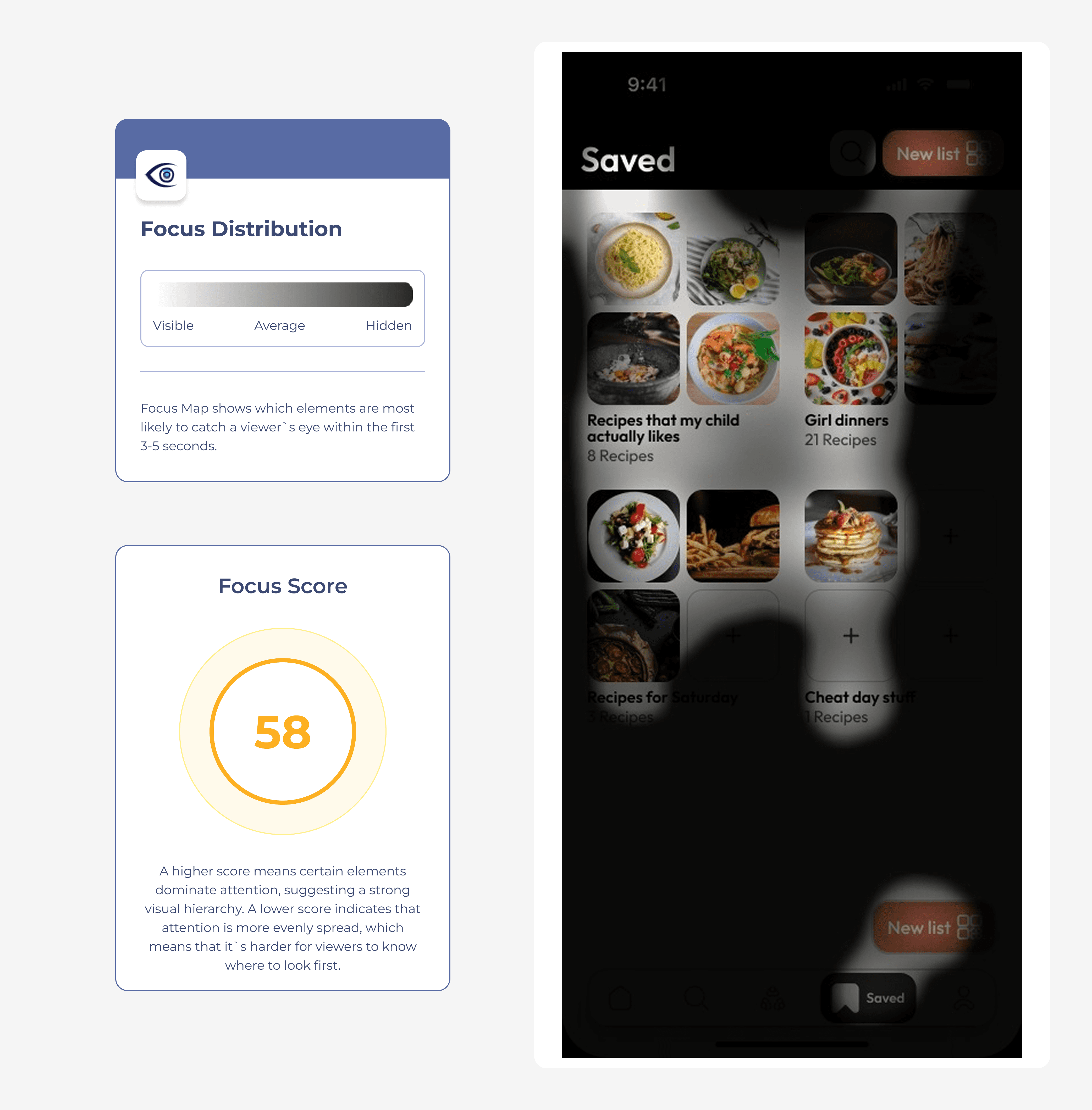
Feel free to click on any of the images for impressions.
06
UI & Tone
Grounded visuals
An underrated amount of the users' experience depends on visual vibes of the UI they're presented with.
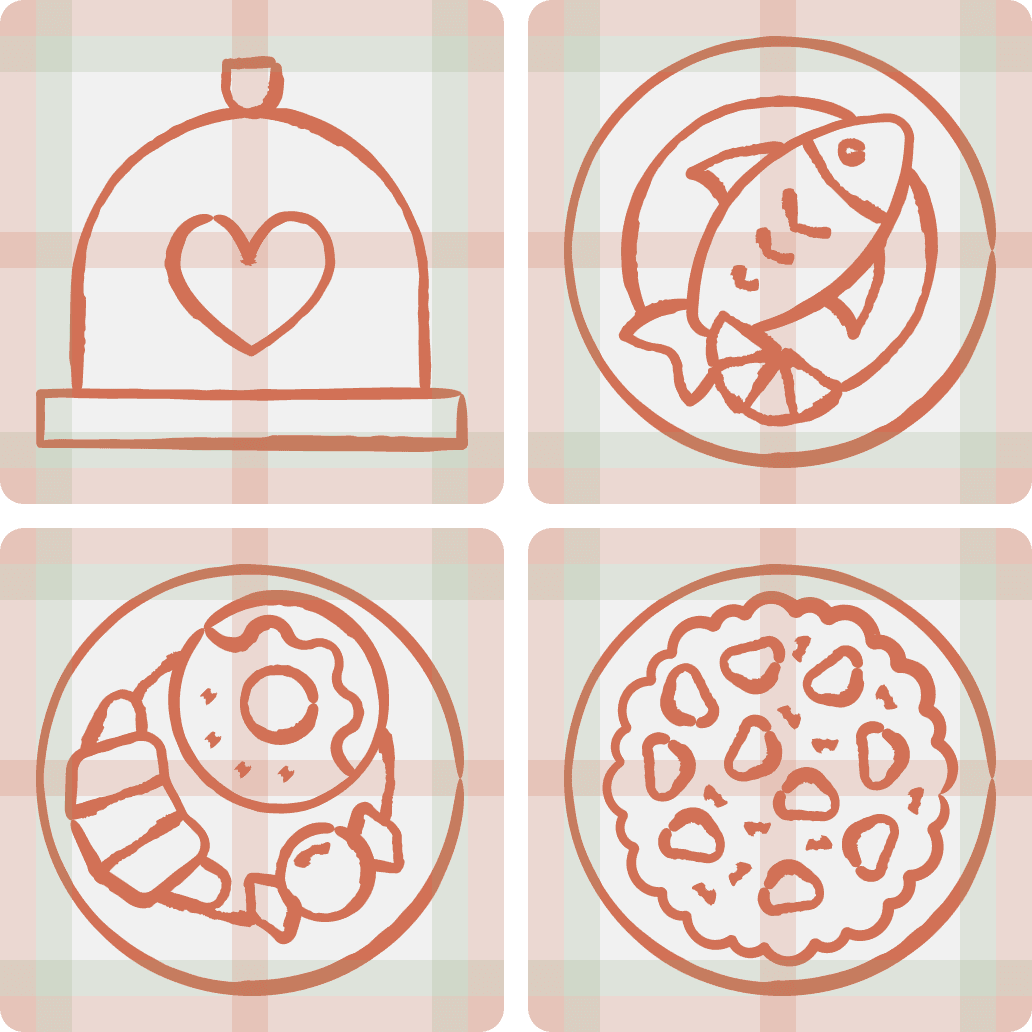
For the UI, an almost handwritten look for the presentable icons was chose.
As for the practical icon set, I opted for 16px at its lowest with other uses of 20px and 30px.
Warm language & identity
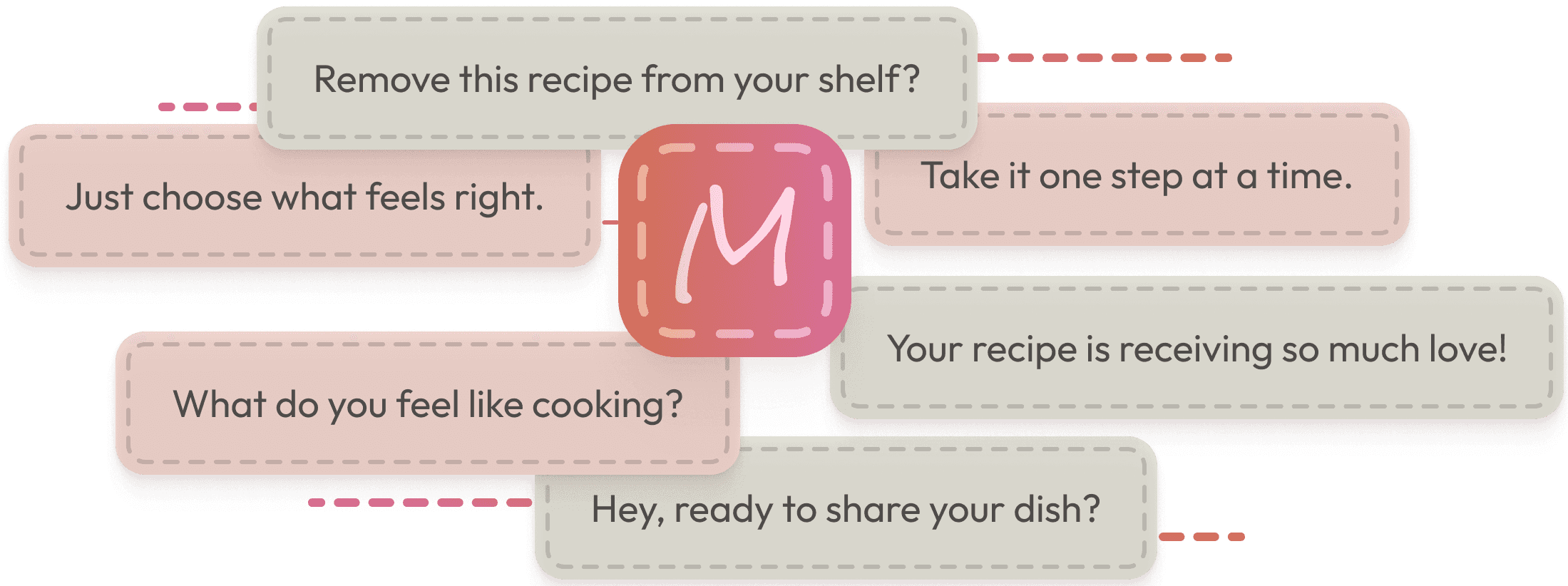
Our identity begins with warmth, that same warmth of a grandmother inviting her family from all over for dinner, where so much love is poured into each meal, resulting in priceless memories that lasts for generations.
Our AI sous chef, Granny Mags (short for Magdalena) is exactly that guiding hand, responsible for tasks from introducing users to the app to vocal input during cooking.
The intention is for her to approach the user gently to always be complimentary and helpful without being annoying or upsetting.

OUTFIT
GENERAL USE
GRAPE NUTS
LOGO
PRIMARY LIGHT
ACCENT
ACCENT
BRAND STAPLE
POP OF COLOUR
PRIMARY LIGHT (APP)
SECONDARY LIGHT (APP)
RARE USE
SECONDARY DARK
PRIMARY DARK

07
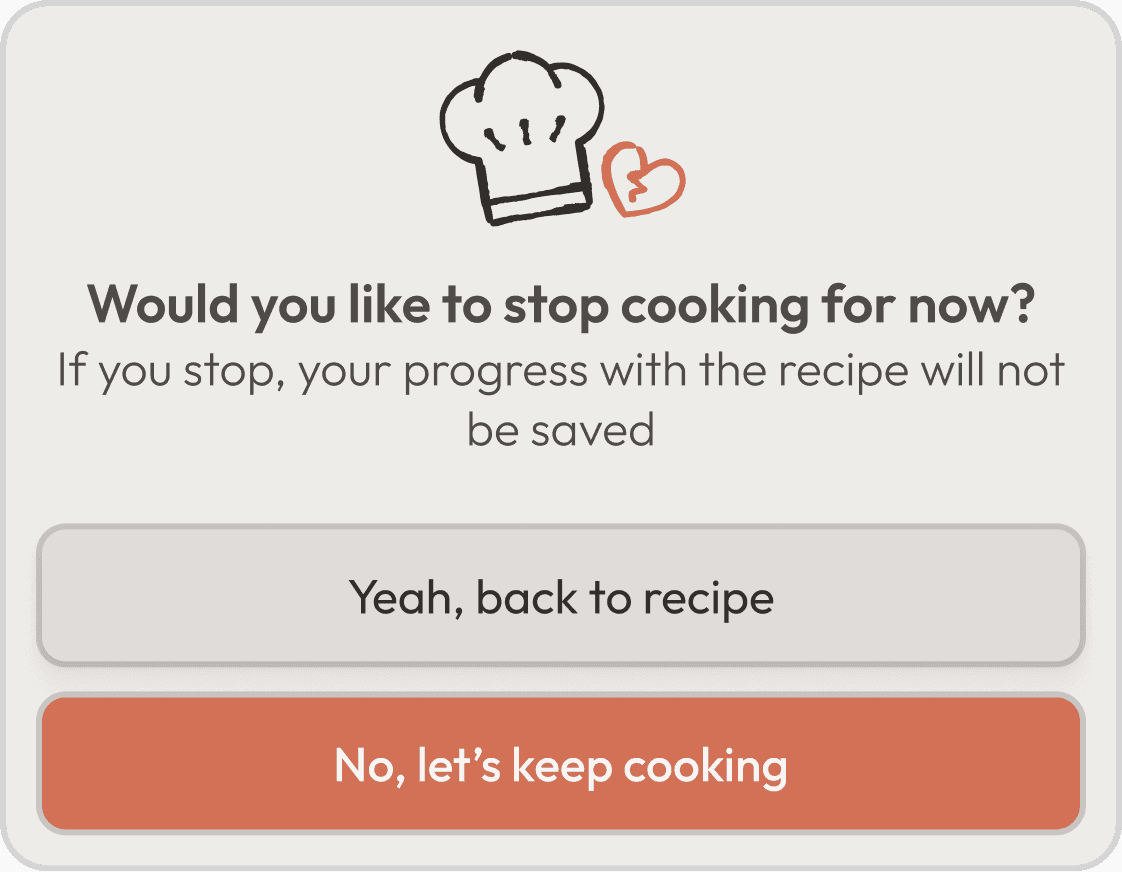
The final experience
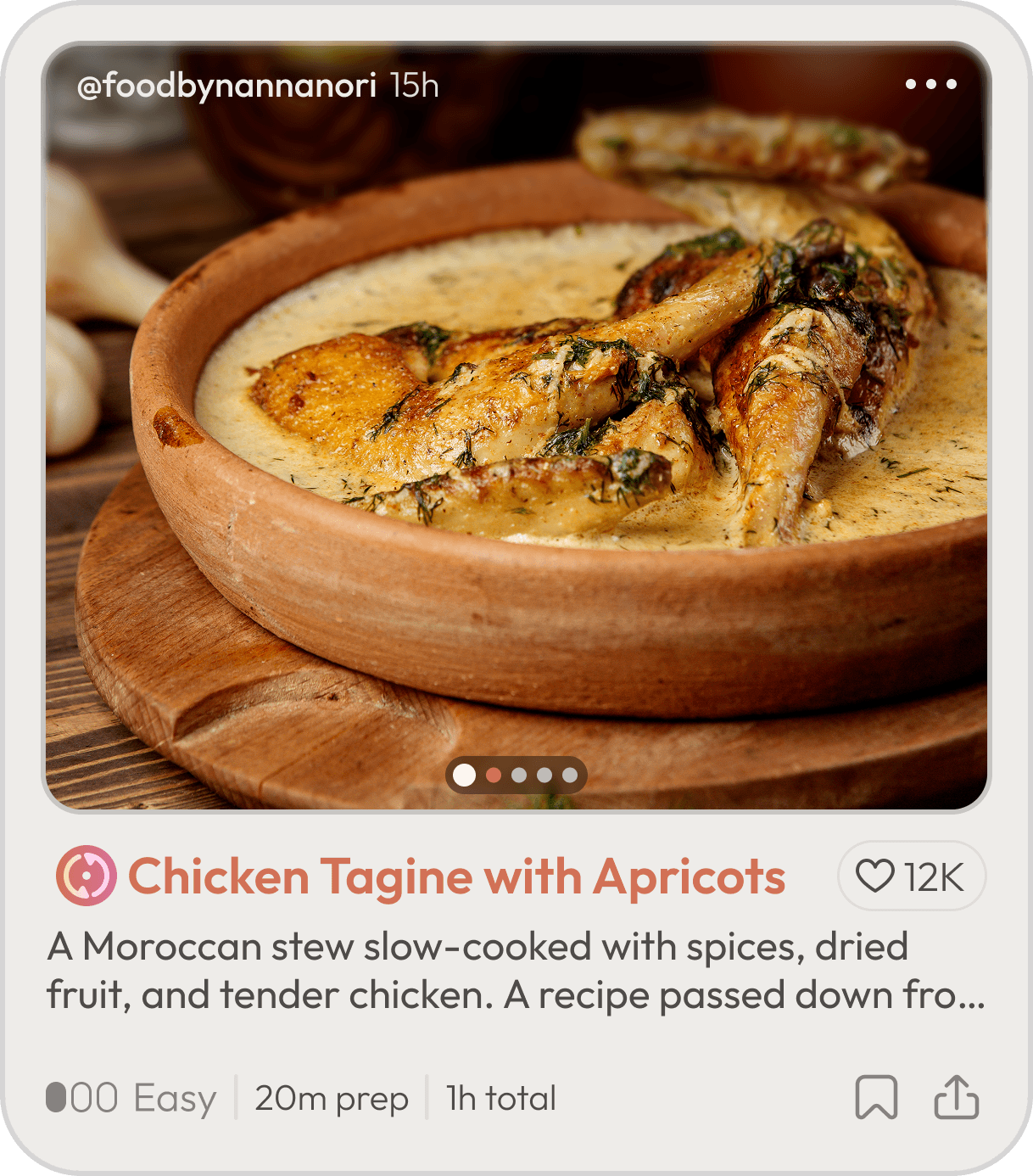

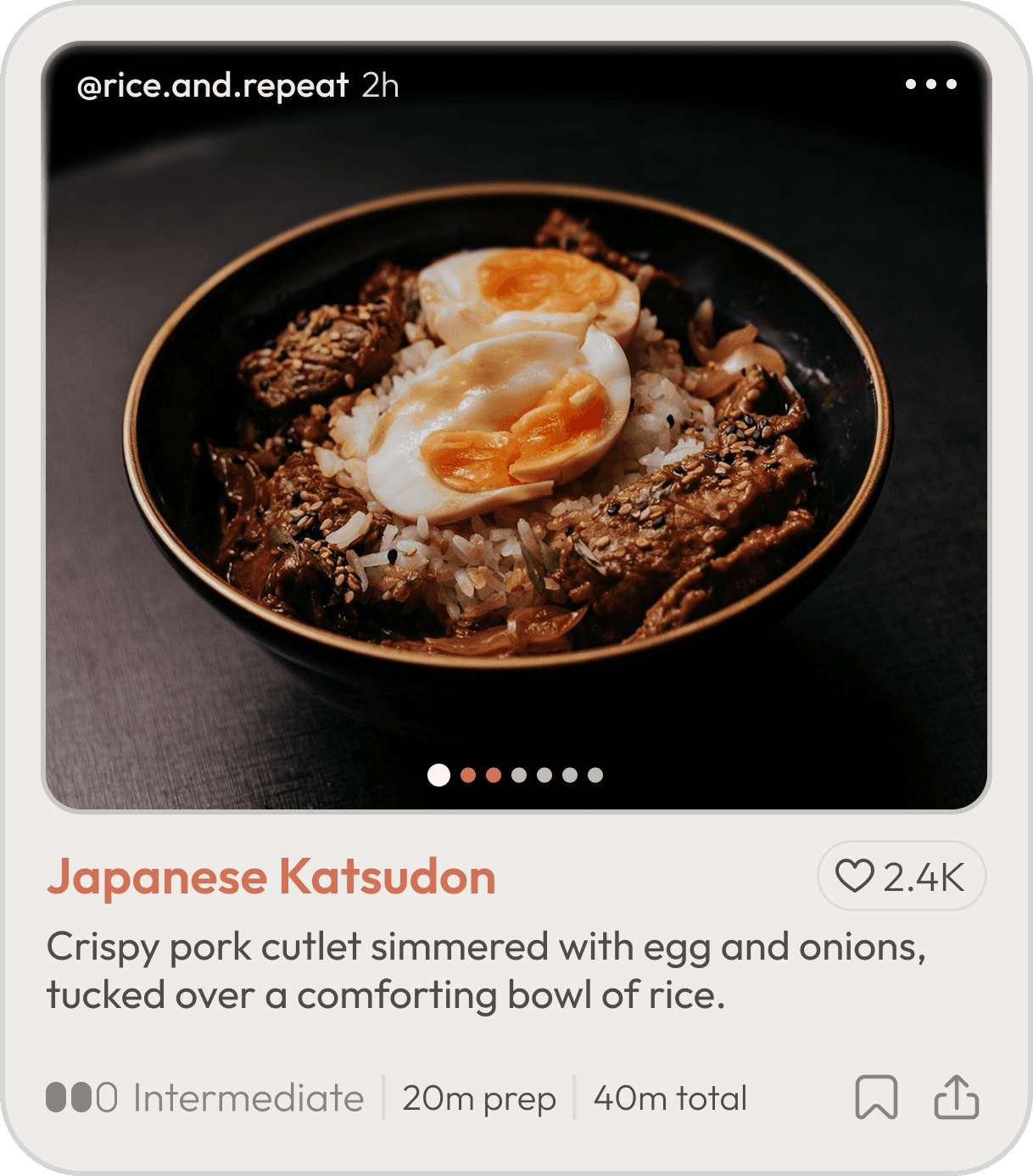

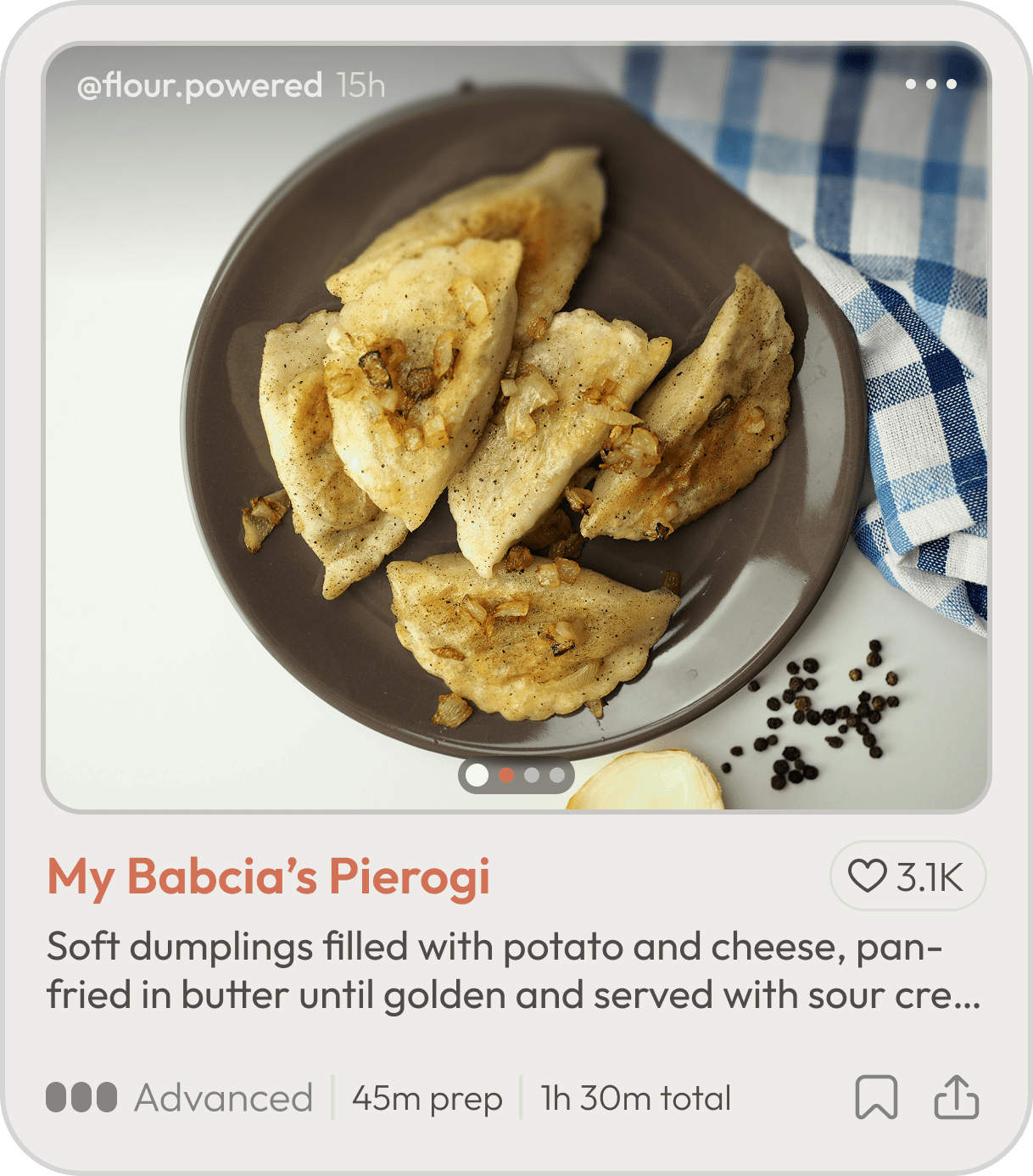
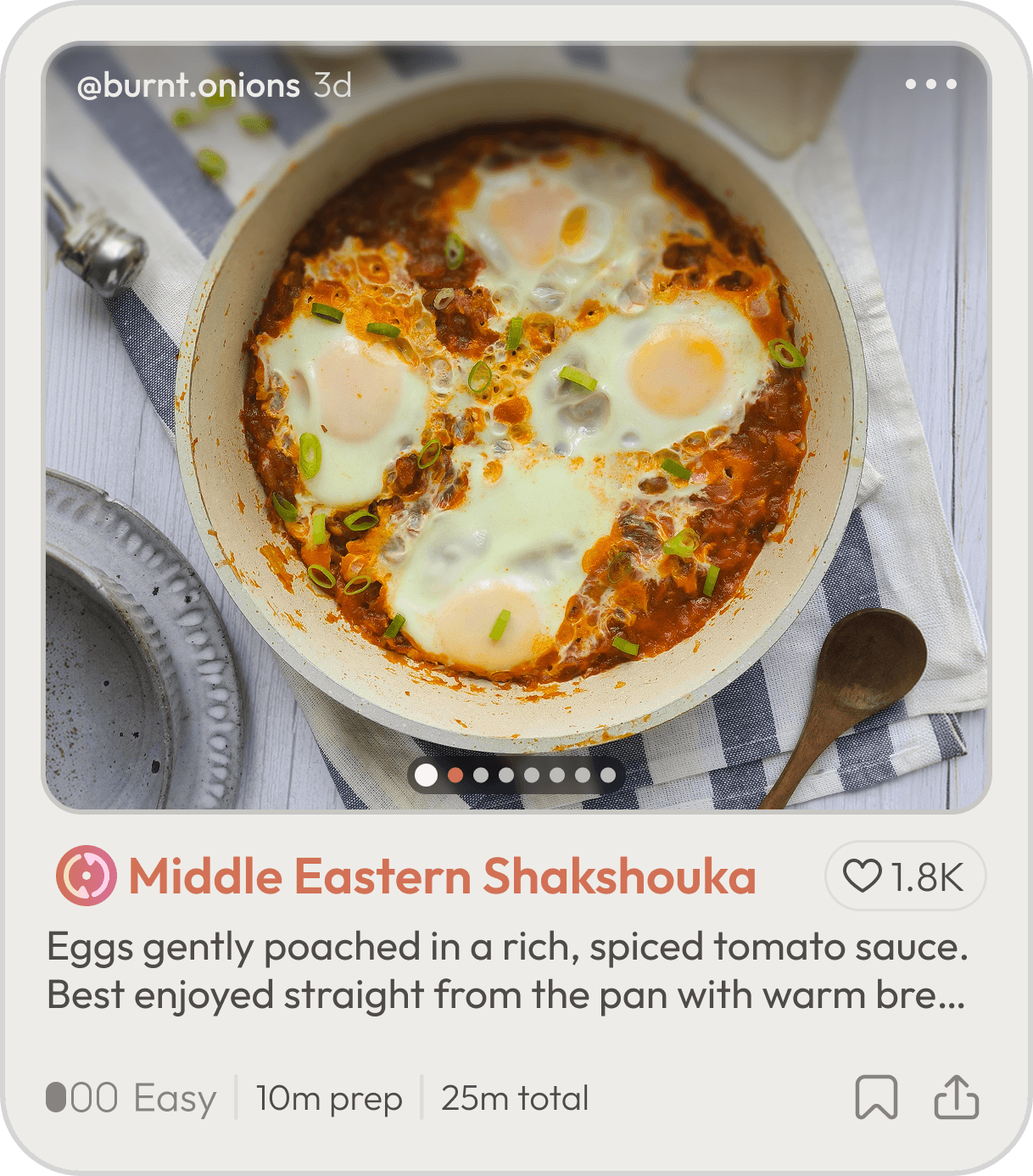
08
Potential Impact
Lower kitchen anxiety
This stat is related to the population of inexperienced cooks, overcoming kitchen anxiety. Cooking is more accessible than ever, so let's begin.
Encourage emotional connection to recipes
From the first visions of the Heirloom brand, a warm and welcoming environment was a consistent purpose.
Reduce cognitive overload during cooking
From the first visions of the Heirloom brand, a warm and welcoming environment was a consistent purpose.
Increase social connections through food
Though hard to measure, a great hope of Heirloom's is to reconnect people to food and let it cross barriers.
Naturally, all these are speculative, any collected data is related to social time stamps and due to the app's nature, there's little real evidence of success.
The goal is for Heirloom to publish their top 100 recipes for the year, the purpose is blending physical copy enjoyers and digital enjoyers.
Every recipe will have a QR code for the recipe.

Liked what you saw?
My Takeaways
This project has been in works for some time in my mind since I got inspired by this video, by Answer in Progress. Frankly, my biggest takeaway is to have a more defined problem and a smaller scale product to design, this was a little too much for me to chew on.
And for some good, I had great fun exploring the user testing stage, really observing the fingers.
I also enjoyed the research stage, it felt pretty thorough, at some point even before the personas I already felt so connected to the users.
Felt good to design something that could bring genuine good.
Tools used
I have used FigJam and Google forms for the research stages.
Figma as been the big carry throughout with all the vector work for the branding, app design and prototyping.